# The Choice
**Edith Eger** | [[Foundations]]
---
> "Time doesn't heal. It's what you do with the time."
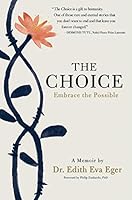
Psychologist and Holocaust survivor Edith Eger spent decades working with trauma before realising she'd never fully grieved her own. The central insight: whilst suffering and trauma are inevitable, victimhood is a choice. Freedom lies not in what happened to you, but in how you respond to it.
This isn't about positive thinking or moving on. It's about grieving what was lost, confronting the false beliefs that keep you imprisoned, and reclaiming responsibility for your present. Healing doesn't erase wounds - it transforms them into sources of strength.
---
## Core Ideas
### [[Learned Helplessness]]
Martin Seligman's concept: when we believe we lack control, we become passive even when escape becomes possible. Eger saw this in concentration camp survivors who remained psychologically imprisoned decades after liberation.
The trap isn't the original trauma - it's the belief that we're permanently damaged, that nothing we do matters, that we're defined by what happened to us. Change the belief and you change the behaviour.
**Perfectionism is learned helplessness in disguise.** If you believe you're broken, no amount of achievement can fix you. The shift: discomfort and mistakes don't define your worth.
### [[Responsibility vs Victimhood]]
Survivors don't ask "Why me?" - they ask "What now?"
Victimhood is internal. You can be imprisoned by circumstances or imprisoned by clinging to the past. The first might be unavoidable; the second is always a choice.
**True freedom is choosing your attitude and response, even under constraint.** Viktor Frankl's lesson from Auschwitz: they can take everything except your ability to choose how you respond. This isn't stoic acceptance - it's active defiance.
Responsibility means owning your happiness, forgiving yourself, and asserting your needs. Not taking responsibility for others' choices, not over-caretaking, not surrendering your path to someone else's approval.
---
## Key Insights
**Suppressed grief keeps you trapped, replaying old wounds.** Trauma manifests as constant vigilance - the sense that danger is always near. The only way out is through: feel it fully, express it, release it.
> "Freedom lies in learning to embrace what happened."
This doesn't mean forgetting or pretending it was acceptable. It means cherishing the wound as part of your story whilst refusing to let it define your future.
**Many relationships operate like a seesaw - one up, one down.** This dynamic sustains captivity. Freedom requires assertiveness: deciding for yourself rather than being passive, aggressive, or manipulative. Over-caretaking others is as harmful as abdicating responsibility for yourself.
**Irrational beliefs underpin harmful patterns.** Changing your thoughts reshapes your feelings and actions. The cognitive therapy insight: you're not reacting to events but to your interpretation of events. Change the interpretation and the reaction changes.
**The search for meaning is our deepest motivation - and uniquely ours.** Echoing Frankl, Eger argues that responsibility is inseparable from meaning. Without it, we give up on life.
> "Only I can do what I can do the way I can do it."
Your uniqueness is both a responsibility and a gift. Strength lies not in reaction but in response - acting deliberately towards your goals.
---
## Connects To
- [[Man's Search for Meaning]] - Frankl's philosophy of meaning and responsibility runs throughout
- [[The Courage to Be Disliked]] - shares the emphasis on choice over victimhood
- [[Skin in the Game]] - similar insight that responsibility and freedom are inseparable
---
## Final Thought
Freedom is found in the present moment. "I'm here, this is now."
You cannot change the past, but you can change its hold over you. By grieving fully, confronting limiting beliefs, and reclaiming responsibility, you transform wounds into wisdom. The Holocaust didn't end when Eger left Auschwitz - it ended when she chose to stop being its prisoner.
Freedom is never given. It's chosen, moment by moment, through courage and purpose.